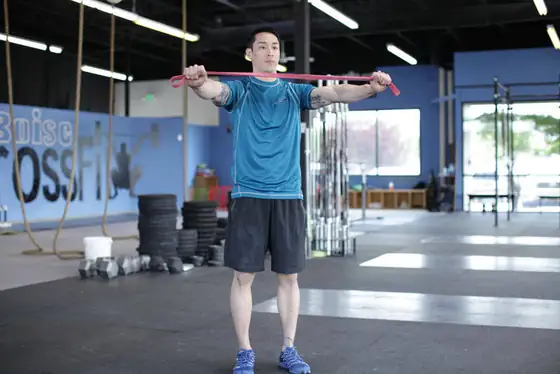
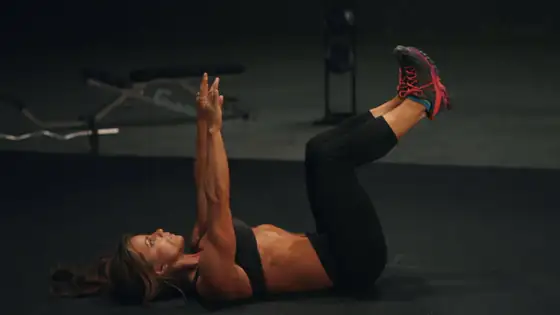
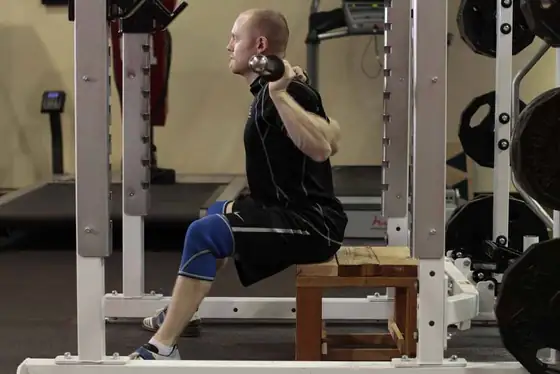
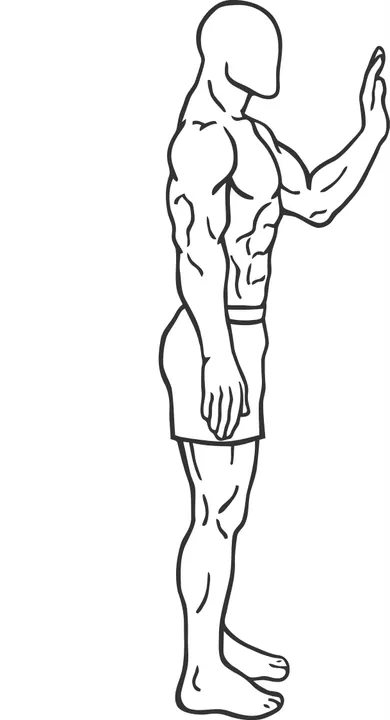
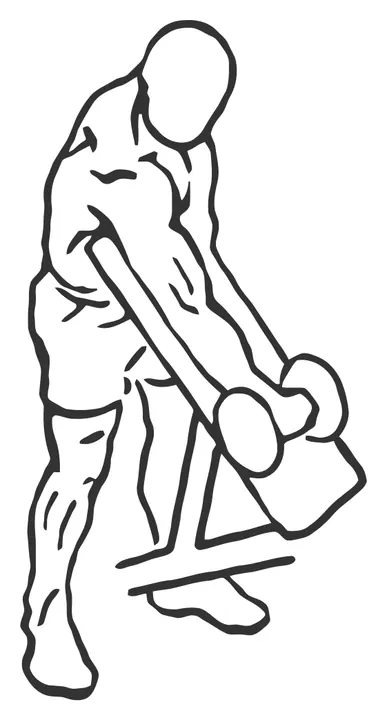
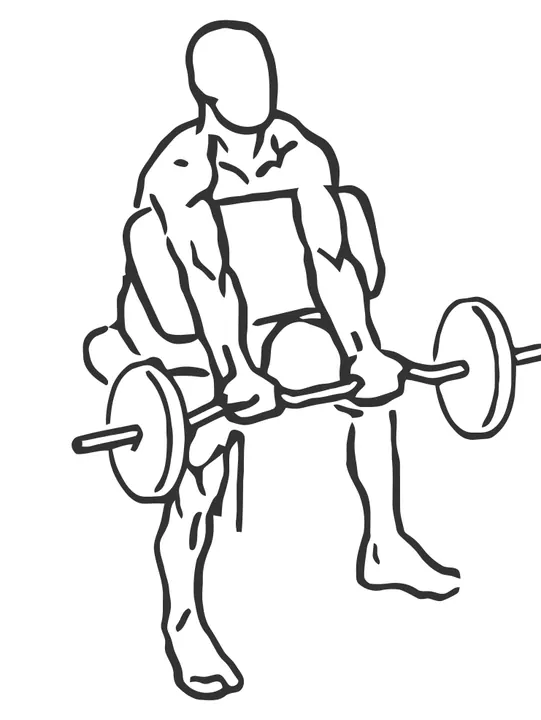
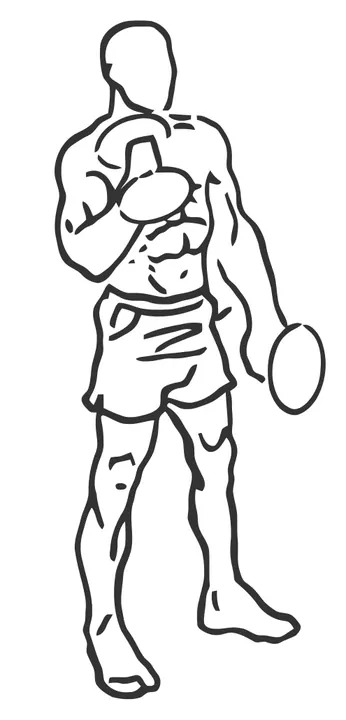
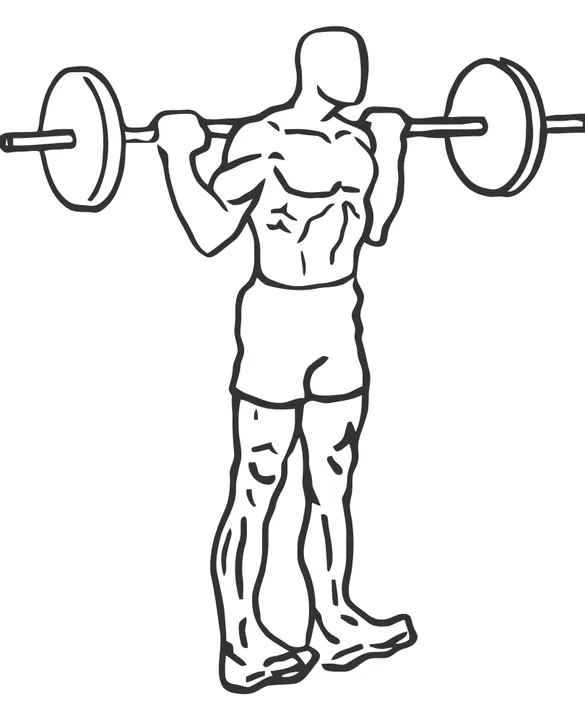
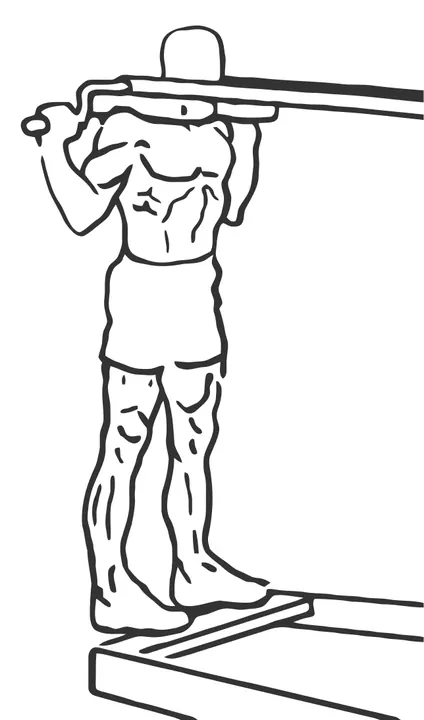
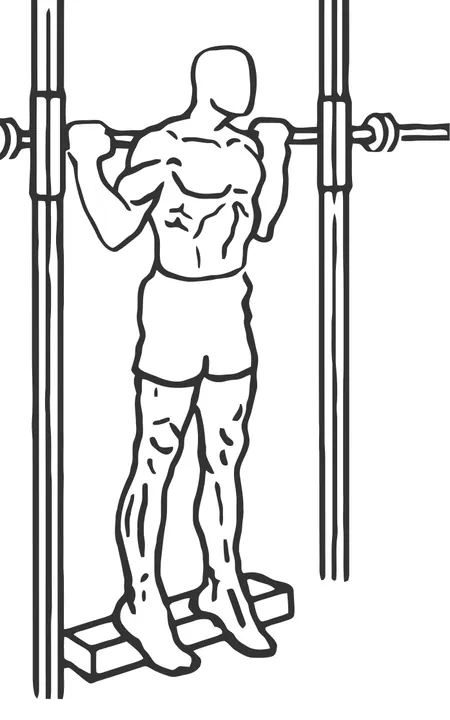
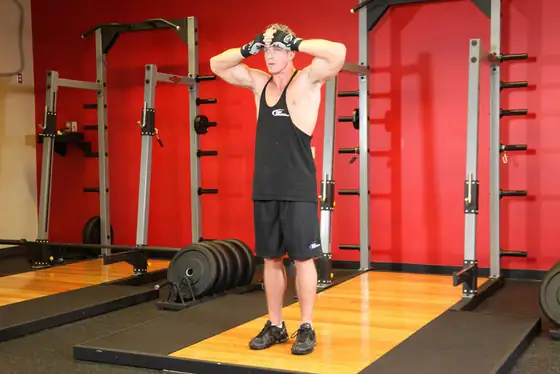
Isometric Neck Exercise - Front And Back
Neck
Builds the the hunch phase · trains Neck · neck pattern
100% match

Chess
Five hours hunched over a board is an endurance event for the neck, upper back and the sitting hips — and top players train aerobically because a tired body plays blunders. Also: the clock deserves a decisive hand.

Leaning over the board for hours rounds the shoulders and pulls the head forward; the upper back and neck have to hold the line.
Best exercises for this phase:
Hip flexors shorten, glutes switch off, the lower back does all the work. Deep core and hips keep you upright into the fifth hour.
Best exercises for this phase:
Reach, pick up the piece, place it with intent, slap the clock. Forearm and rotator cuff precision — no knocking over the king.
Best exercises for this phase:
Decision quality drops with fatigue. Aerobic fitness keeps blood sugar and attention steady through a long game.
Best exercises for this phase:
Neck
Builds the the hunch phase · trains Neck · neck pattern
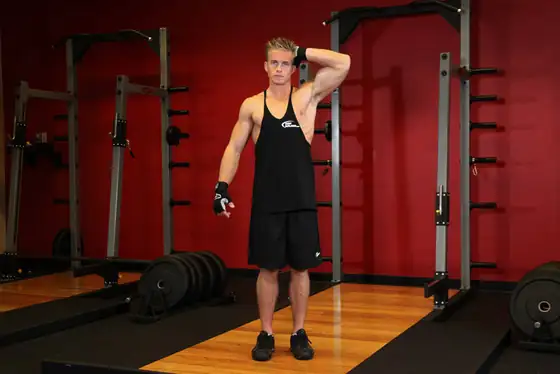
Neck
Builds the the hunch phase · trains Neck · neck pattern
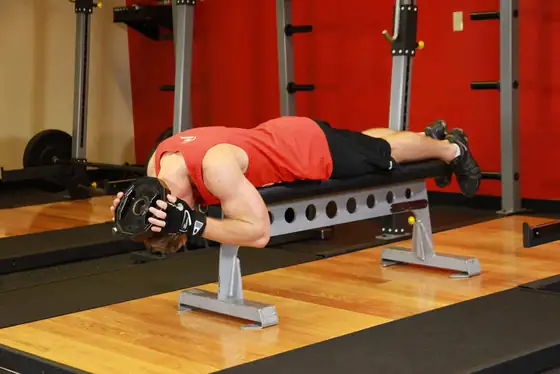
Neck
Builds the the hunch phase · trains Neck · neck pattern
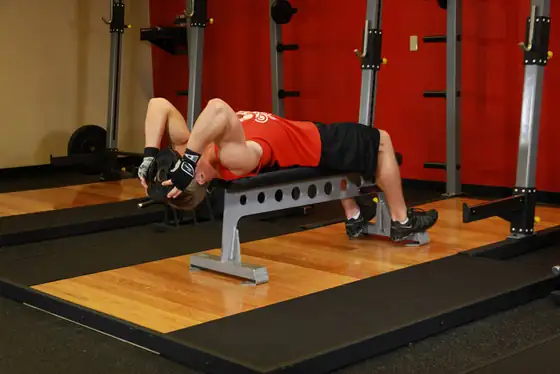
Neck
Builds the the hunch phase · trains Neck · neck pattern
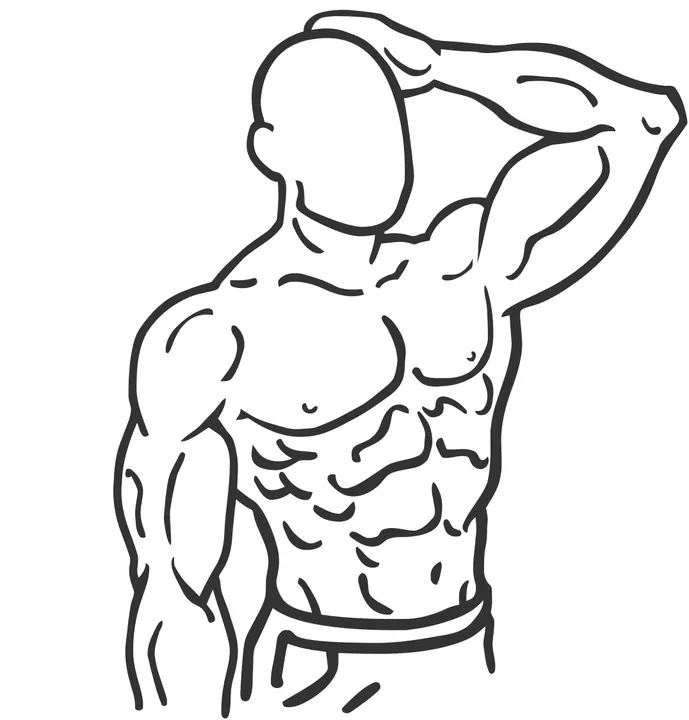
Neck
Builds the the hunch phase · trains Neck, Upper traps · neck pattern
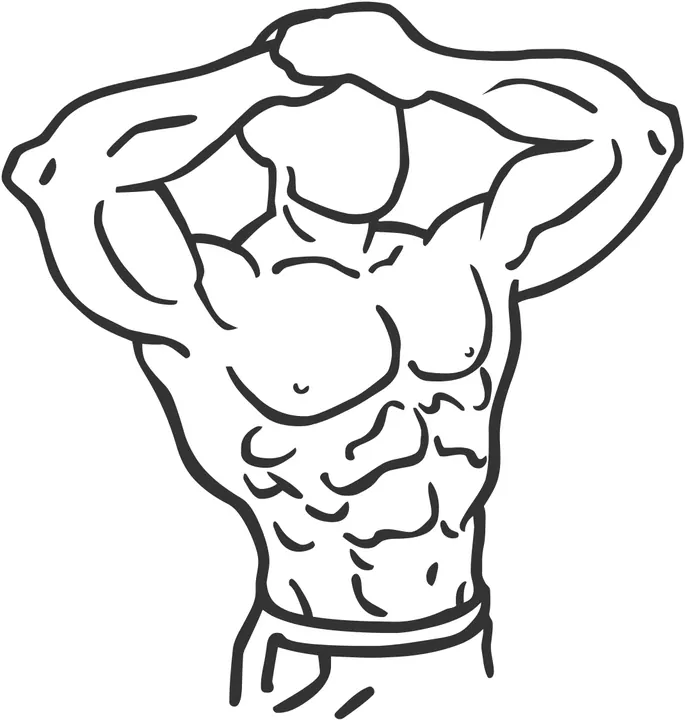
Neck
Builds the the hunch phase · trains Neck, Upper traps · neck pattern
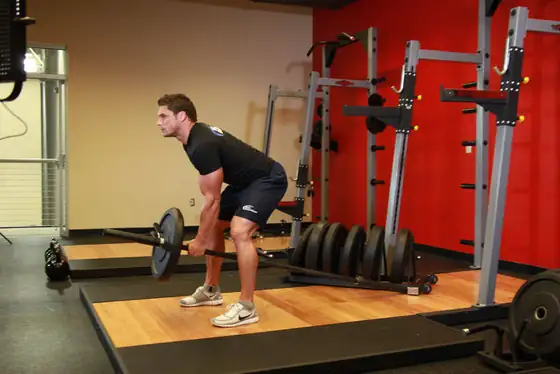
Upper back
Builds the the hunch phase · trains Upper back, Lower back, Upper traps · row pattern
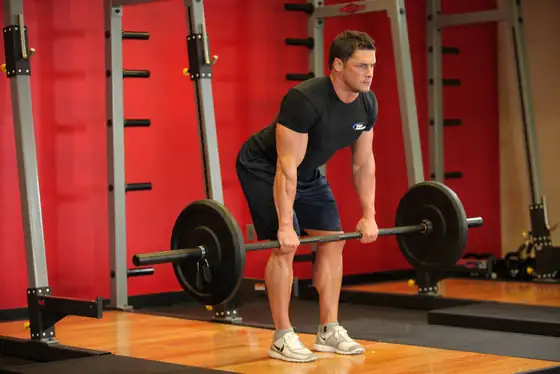
Upper back
Builds the the hunch phase · trains Upper back, Rear delts, Forearms · row pattern
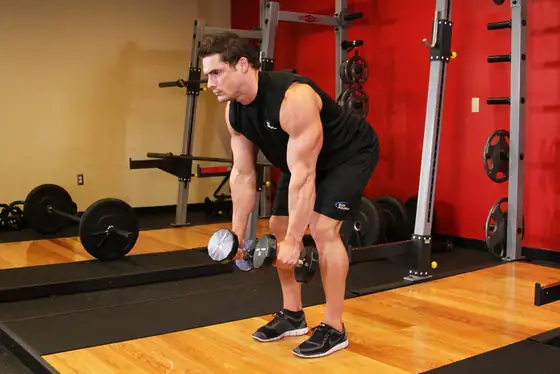
Upper back
Builds the the hunch phase · trains Upper back, Rear delts, Forearms · row pattern
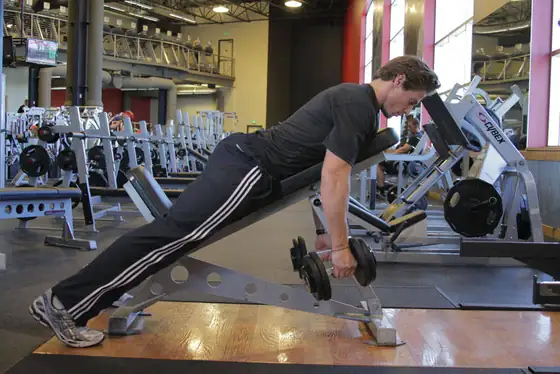
Upper back
Builds the the hunch phase · trains Upper back, Forearms, Rear delts · row pattern
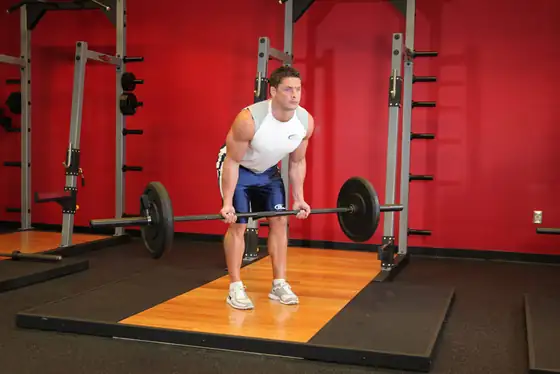
Upper back
Builds the the hunch phase · trains Upper back, Rear delts, Forearms · row pattern
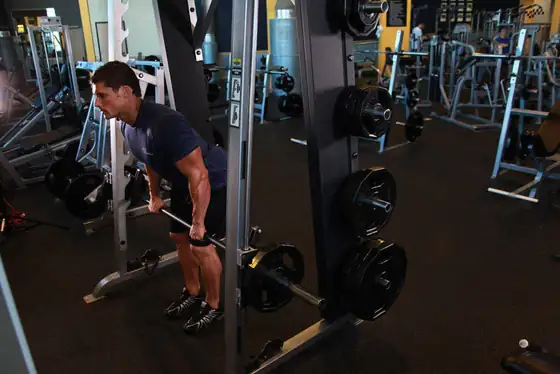
Upper back
Builds the the hunch phase · trains Upper back, Rear delts, Forearms · row pattern