Meditation

Meditation

Forty minutes of sitting still is a posture hold, and the body notices long before the mind settles. Erectors and deep core keep the spine tall without effort, open hips let the knees drop to the floor, and a ribcage that moves makes slow breathing feel like rest rather than work.

Build a plan for thisOpen in the app

Woman meditating cross-legged on a cushion, spine tall and eyes closed

Muscles worked

Neck — 70% importance (Front)Upper traps — 30% importance (Front)Front delts (Front)Side delts (Front)Chest (Front)Serratus anterior — 40% importance (Front)Biceps (Front)Forearms & grip (Front)Abs — 80% importance (Front)Obliques — 60% importance (Front)Hip flexors — 70% importance (Front)Quads — 45% importance (Front)Adductors — 60% importance (Front)Shins (tibialis) — 35% importance (Front)Calves — 35% importance (Front)Outer shins (peroneals) (Front)Feet (arch & toes) (Front)Neck — 70% importance (Back)Upper traps — 30% importance (Back)Upper back (rhomboids, mid/lower traps) — 80% importance (Back)Rear delts — 50% importance (Back)Side delts (Back)Rotator cuff (Back)Lats (Back)Lower back (erectors) — 100% importance (Back)Triceps (Back)Forearms & grip (Back)Hip abductors (glute med) — 60% importance (Back)Glutes — 70% importance (Back)Hamstrings — 40% importance (Back)Adductors — 60% importance (Back)Calves — 35% importance (Back)
FrontBack
  • Lower back
  • Abs
  • Upper back
  • Neck
  • Glutes
  • Hip flexors
  • Obliques
  • Abductors

The movement, phase by phase

  1. The tall spine

    Sitting upright with nothing to lean on is erector and deep-core endurance. When they tire the back rounds, the head drops forward and every breath gets shallower.

    • Spinal extension
    • Anti-extension (brace)
    • Shoulder-blade squeeze
    • Neck
    Neck — primary (Front)Upper traps (Front)Front delts (Front)Side delts (Front)Chest (Front)Serratus anterior (Front)Biceps (Front)Forearms & grip (Front)Abs — primary (Front)Obliques (Front)Hip flexors (Front)Quads (Front)Adductors (Front)Shins (tibialis) (Front)Calves (Front)Outer shins (peroneals) (Front)Feet (arch & toes) (Front)Neck — primary (Back)Upper traps (Back)Upper back (rhomboids, mid/lower traps) — primary (Back)Rear delts (Back)Side delts (Back)Rotator cuff (Back)Lats (Back)Lower back (erectors) — primary (Back)Triceps (Back)Forearms & grip (Back)Hip abductors (glute med) (Back)Glutes (Back)Hamstrings (Back)Adductors (Back)Calves (Back)
  2. The open hips

    Cross-legged, half lotus or kneeling: the hips need external rotation and long adductors, or the knees float, the pelvis tips back and the spine has to compensate.

    • Hip abduction
    • Hip adduction
    • Hip extension
    • Hip flexion
    Neck (Front)Upper traps (Front)Front delts (Front)Side delts (Front)Chest (Front)Serratus anterior (Front)Biceps (Front)Forearms & grip (Front)Abs (Front)Obliques (Front)Hip flexors — primary (Front)Quads (Front)Adductors — primary (Front)Shins (tibialis) (Front)Calves (Front)Outer shins (peroneals) (Front)Feet (arch & toes) (Front)Neck (Back)Upper traps (Back)Upper back (rhomboids, mid/lower traps) (Back)Rear delts (Back)Side delts (Back)Rotator cuff (Back)Lats (Back)Lower back (erectors) (Back)Triceps (Back)Forearms & grip (Back)Hip abductors (glute med) — primary (Back)Glutes — primary (Back)Hamstrings (Back)Adductors — primary (Back)Calves (Back)
  3. The breath

    Slow nasal breathing wants a ribcage that expands sideways and a trunk that supports without clenching. Obliques and serratus do the quiet work.

    • Trunk rotation
    • Side bend
    • Anti-rotation (brace)
    Neck (Front)Upper traps (Front)Front delts (Front)Side delts (Front)Chest (Front)Serratus anterior — primary (Front)Biceps (Front)Forearms & grip (Front)Abs — primary (Front)Obliques — primary (Front)Hip flexors (Front)Quads (Front)Adductors (Front)Shins (tibialis) (Front)Calves (Front)Outer shins (peroneals) (Front)Feet (arch & toes) (Front)Neck (Back)Upper traps (Back)Upper back (rhomboids, mid/lower traps) (Back)Rear delts (Back)Side delts (Back)Rotator cuff (Back)Lats (Back)Lower back (erectors) (Back)Triceps (Back)Forearms & grip (Back)Hip abductors (glute med) (Back)Glutes (Back)Hamstrings (Back)Adductors (Back)Calves (Back)
  4. Standing back up

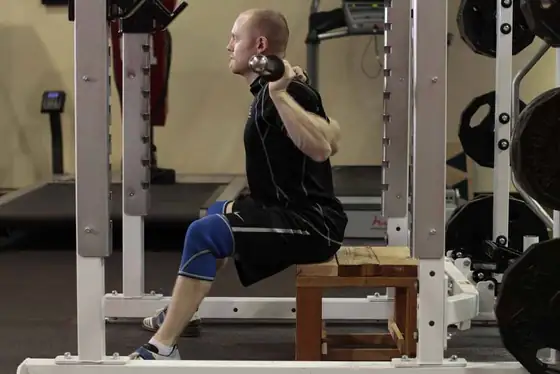
    After a long sit the knees, ankles and hip flexors have to unfold. Strong, mobile legs make the transition uneventful and walking meditation light.

    • Squat
    • Single-leg / lunge
    • Ankle dorsiflexion
    • Ankle push-off (plantar flexion)
    Neck (Front)Upper traps (Front)Front delts (Front)Side delts (Front)Chest (Front)Serratus anterior (Front)Biceps (Front)Forearms & grip (Front)Abs (Front)Obliques (Front)Hip flexors (Front)Quads — primary (Front)Adductors (Front)Shins (tibialis) — primary (Front)Calves — primary (Front)Outer shins (peroneals) (Front)Feet (arch & toes) (Front)Neck (Back)Upper traps (Back)Upper back (rhomboids, mid/lower traps) (Back)Rear delts (Back)Side delts (Back)Rotator cuff (Back)Lats (Back)Lower back (erectors) (Back)Triceps (Back)Forearms & grip (Back)Hip abductors (glute med) (Back)Glutes (Back)Hamstrings — primary (Back)Adductors (Back)Calves — primary (Back)

Most specific exercises

Training notes

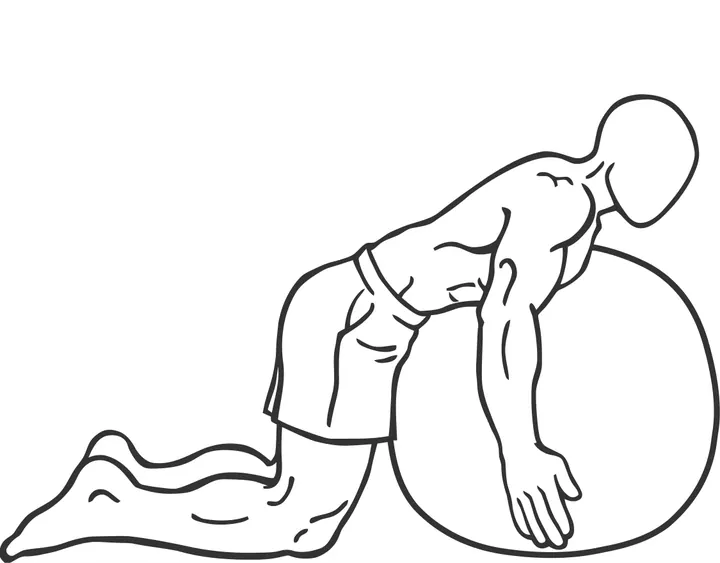
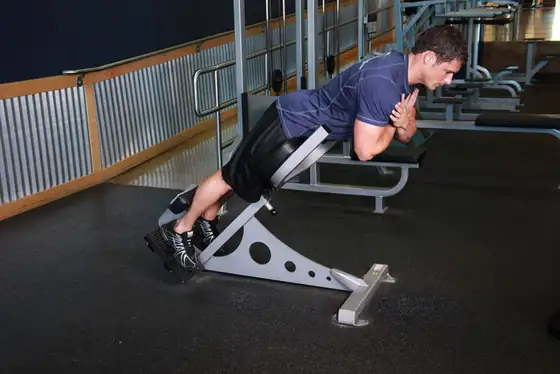
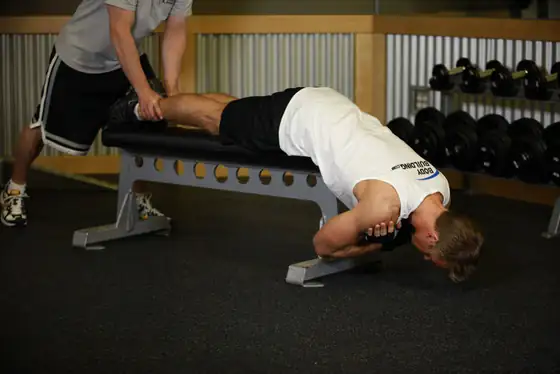
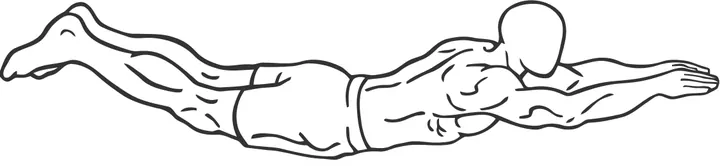
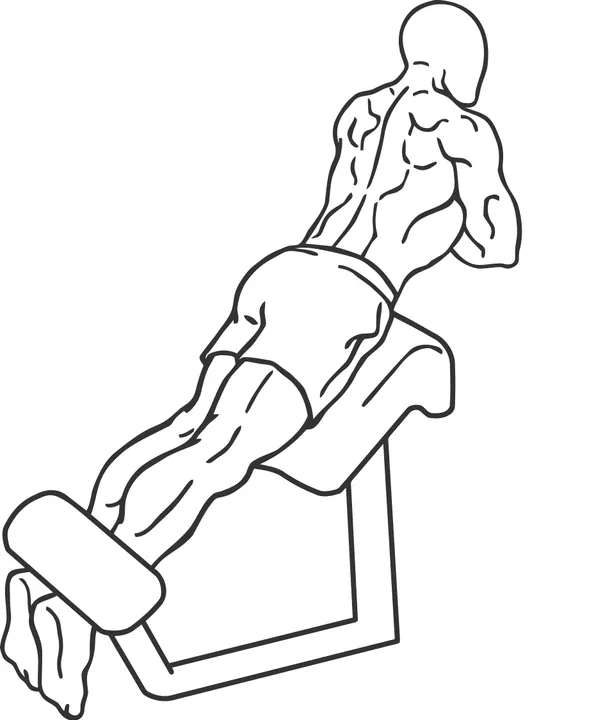
  • A tall spine for an hour is erector endurance. Bird dogs and long, light back extensions, not deadlift records.
  • Knees floating above the hips when cross-legged is a hip problem, not a knee problem. Ninety-ninety hip work and they come down on their own.
  • Breathe into the sides of the ribs. A trunk that only knows how to brace forward turns slow breathing into hard work.
  • Numb feet after twenty minutes mean the cushion is too low, not that you lack discipline.

Mobility to pair with it

  • 90/90 hip switches
  • Seated figure-four stretch
  • Hip flexor stretch
  • Thoracic extension over a chair