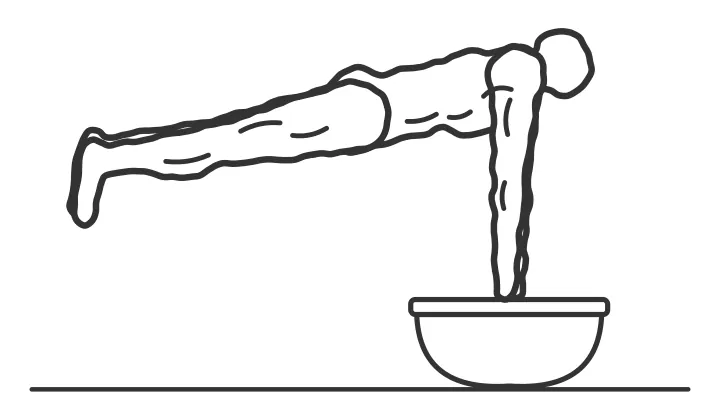
BOSU Plank with Mountain Climbers
Abs
Builds the inversions & arm balances phase · trains Abs, Obliques, Front delts · anti-extension (brace) pattern
98% match

Yoga
Yoga already owns the stretching. What it borrows from the weight room is the strength to hold what the stretching opens: wrists and shoulders that carry you through a hundred chaturangas, hips that balance on one leg without wobbling, and a spine that folds and arches from strength, not slack.

Every vinyasa is a slow push-up into a pike. Wrists, triceps, chest and serratus take the load; shoulder blades have to stay wrapped around the ribs.
Best exercises for this phase:
Tree, warrior III, half moon: one leg, a long hold and a glute med that is either working or letting the pelvis drop.
Best exercises for this phase:
Wheel, camel, forward folds. Flexibility is only safe when the muscle on the other side can control it — hamstrings and hip flexors that are strong long, not just long.
Best exercises for this phase:
Crow, headstand, handstand. Straight arms overhead, a trunk that will not fold, and a rotator cuff keeping the shoulder stacked.
Best exercises for this phase:
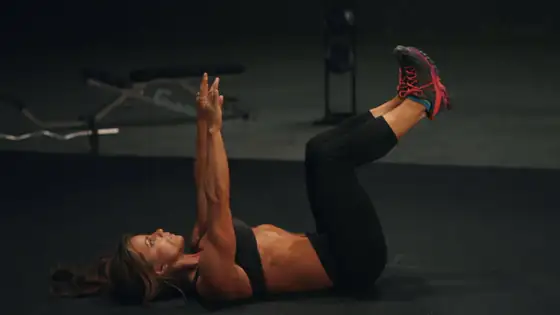
Abs
Builds the inversions & arm balances phase · trains Abs, Obliques, Front delts · anti-extension (brace) pattern
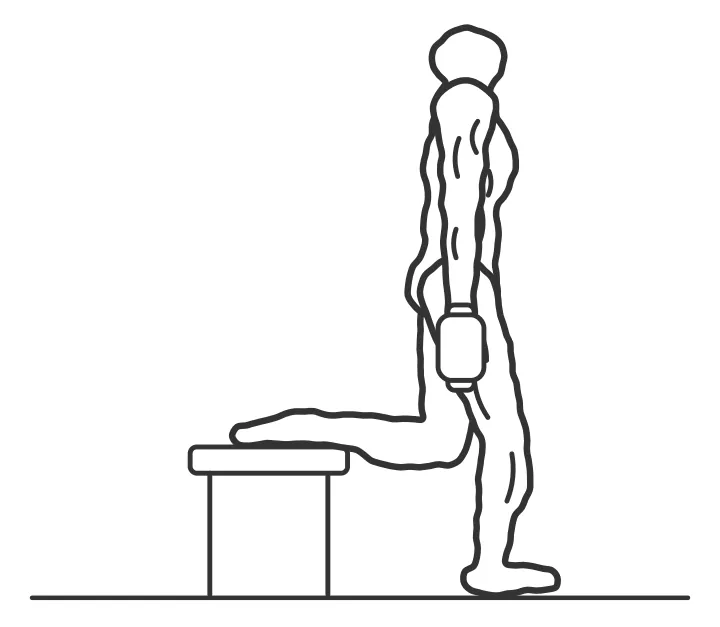
Quads, Glutes
Builds the standing balances phase · trains Quads, Glutes, Adductors · single-leg / lunge pattern
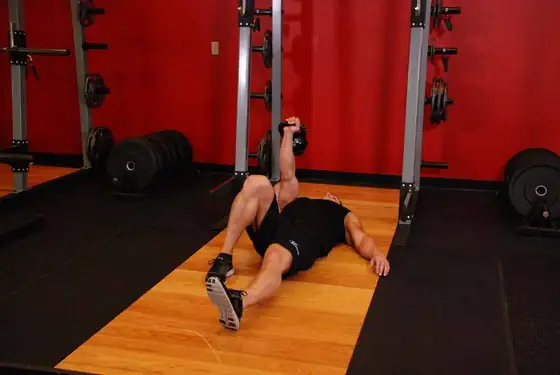
Front delts
Trains Front delts, Abs, Hamstrings · single-leg / lunge pattern
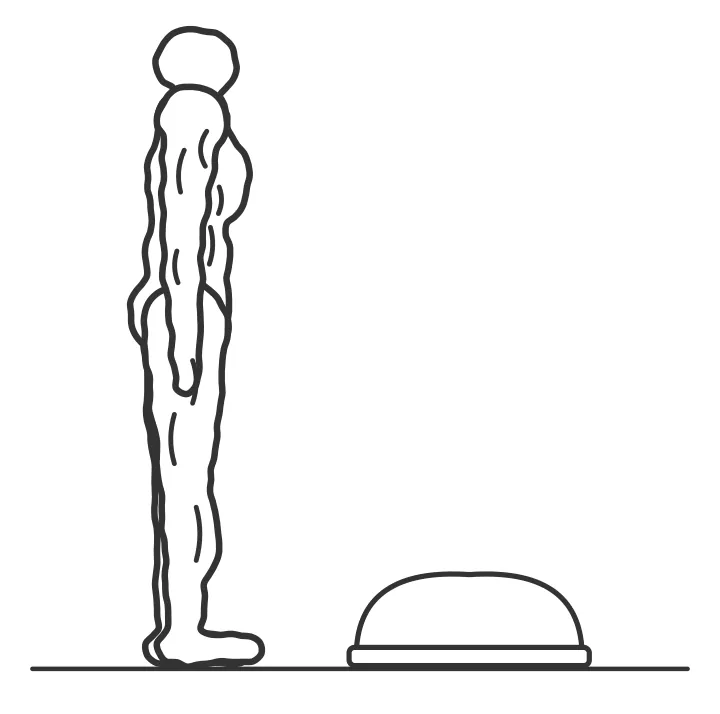
Quads, Glutes
Builds the standing balances phase · trains Quads, Glutes, Hamstrings · single-leg / lunge pattern
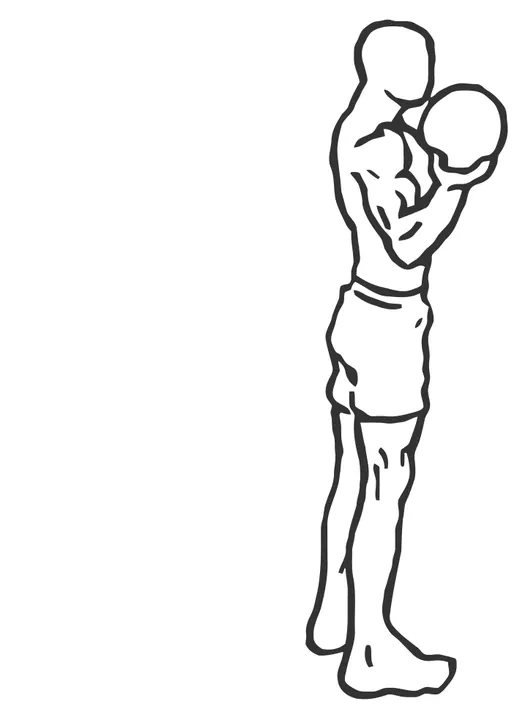
Quads, Glutes
Builds the standing balances phase · trains Quads, Glutes, Hamstrings · single-leg / lunge pattern
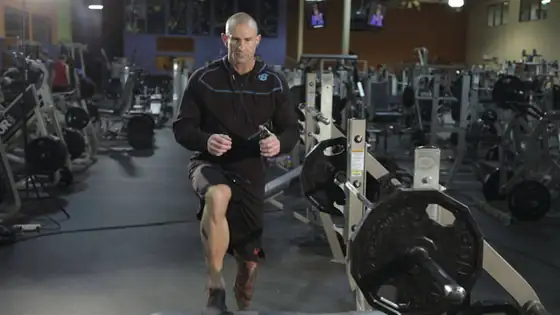
Glutes
Builds the standing balances & backbends & folds phase · trains Glutes, Hamstrings, Quads · single-leg / lunge pattern
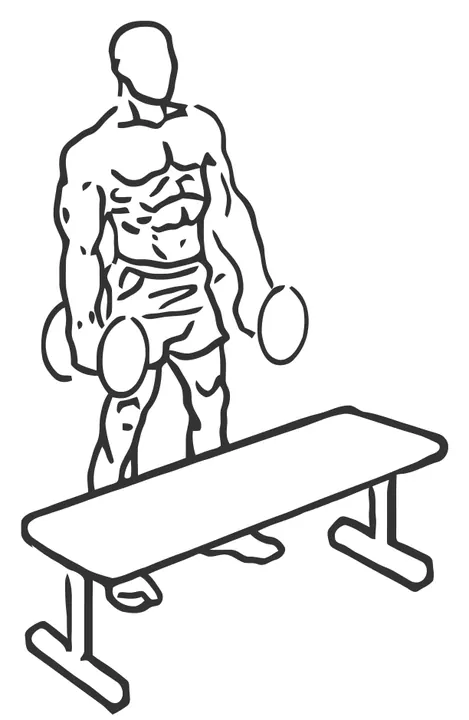
Quads, Glutes
Builds the standing balances phase · trains Quads, Glutes, Hamstrings · single-leg / lunge pattern
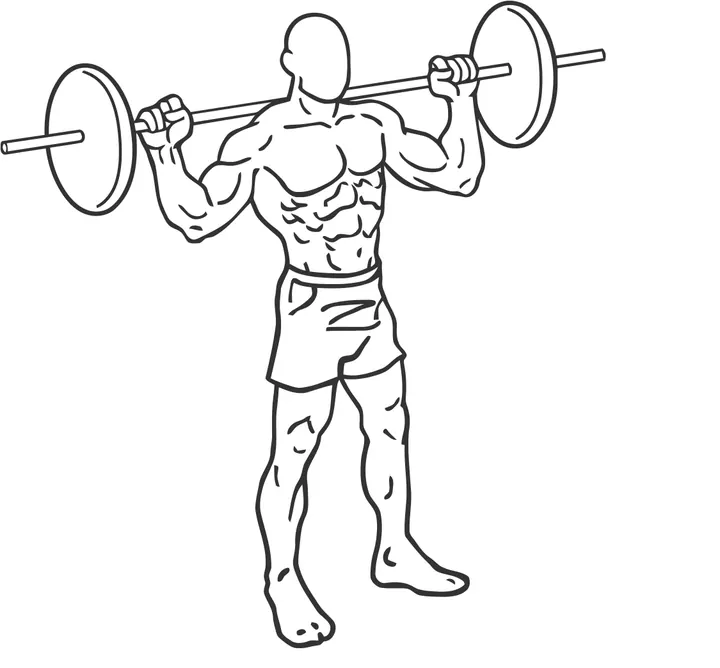
Quads, Glutes
Builds the standing balances phase · trains Quads, Glutes, Hamstrings · single-leg / lunge pattern
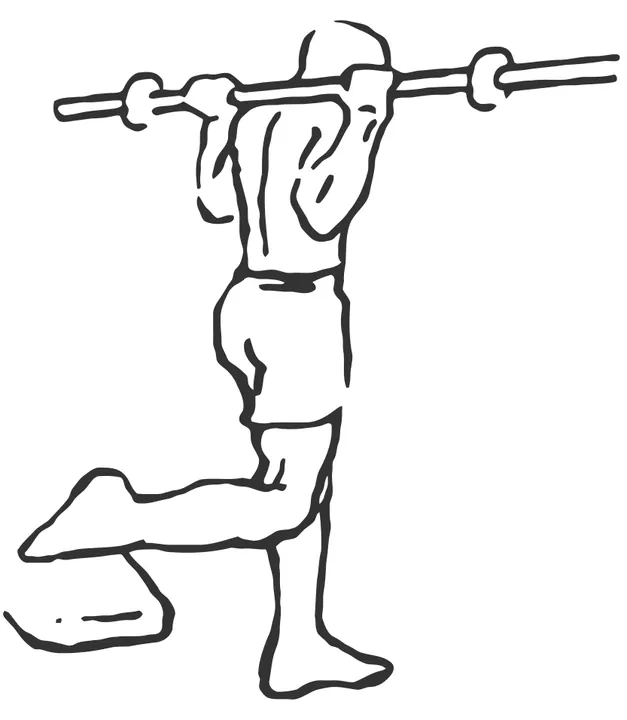
Quads, Glutes
Builds the standing balances phase · trains Quads, Glutes, Hamstrings · single-leg / lunge pattern
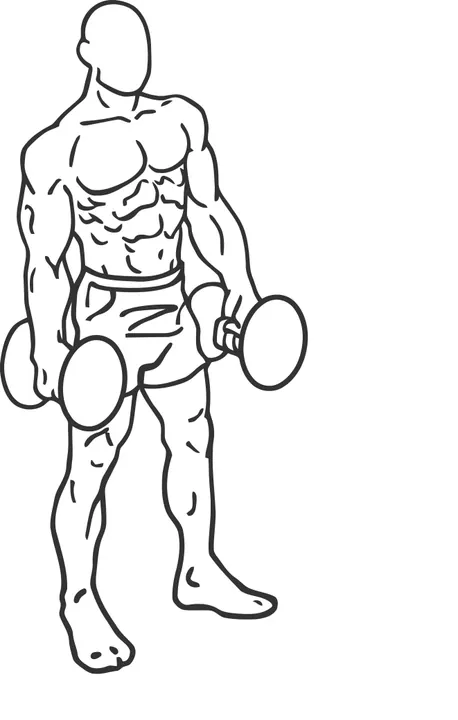
Quads, Glutes
Builds the standing balances phase · trains Quads, Glutes, Hamstrings · single-leg / lunge pattern
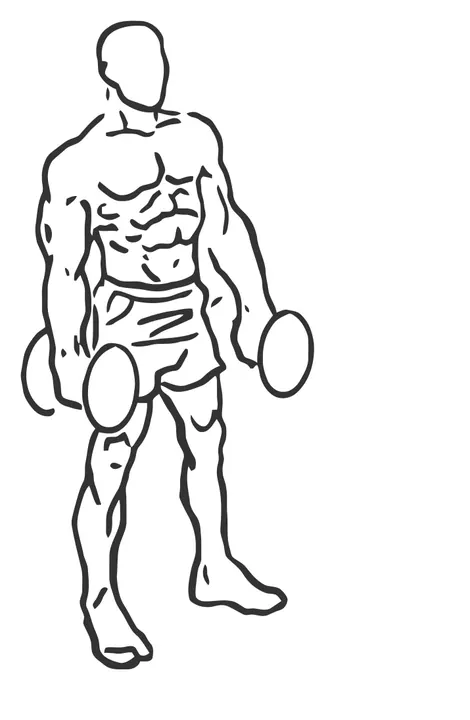
Quads, Glutes
Builds the standing balances phase · trains Quads, Glutes, Hamstrings · single-leg / lunge pattern
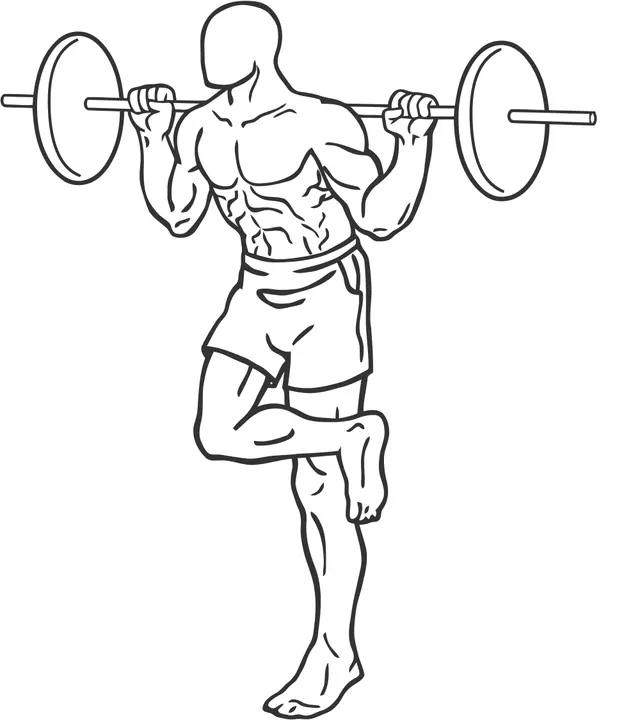
Quads, Glutes
Builds the standing balances phase · trains Quads, Glutes, Hamstrings · single-leg / lunge pattern