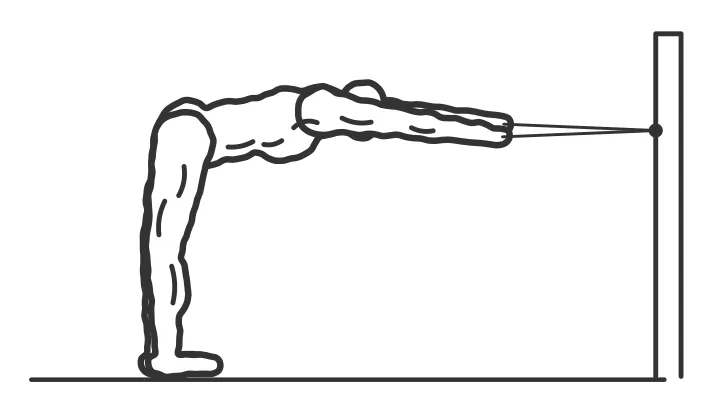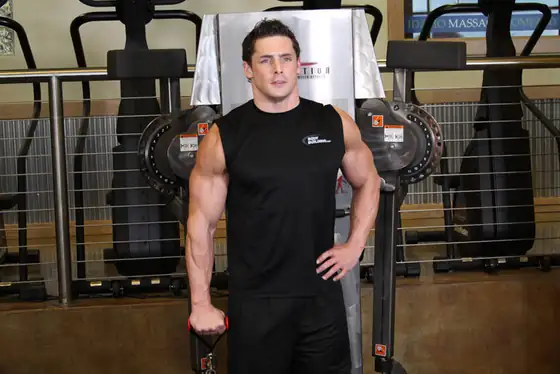
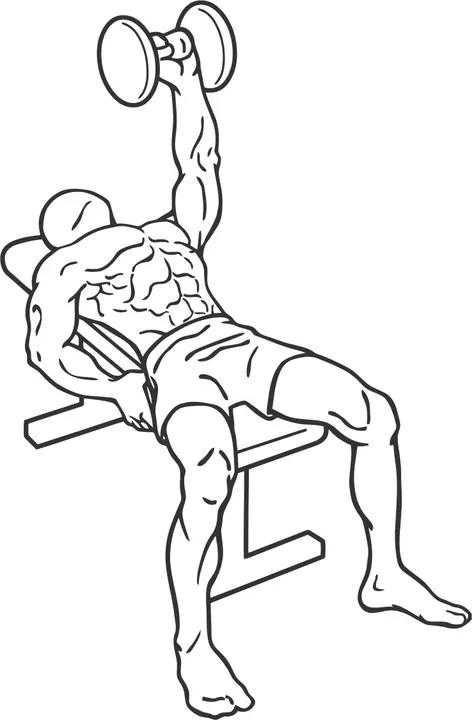
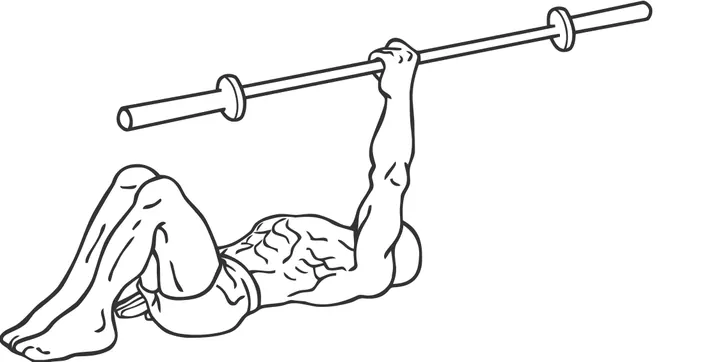
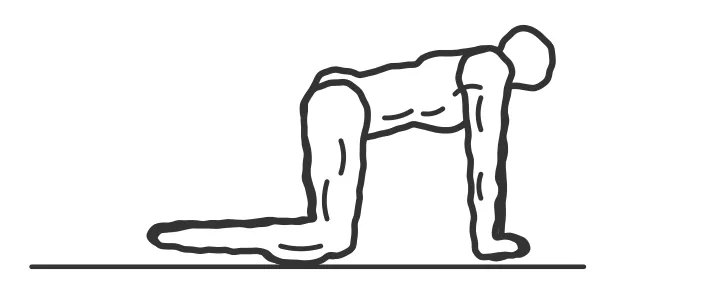
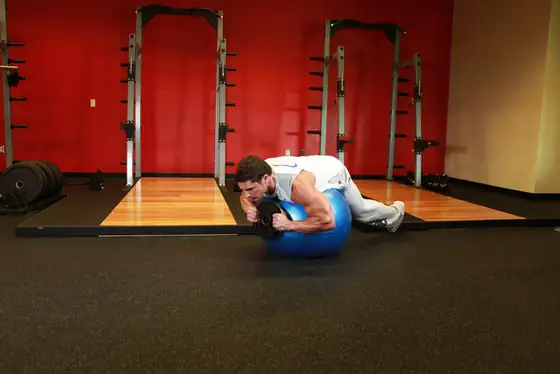
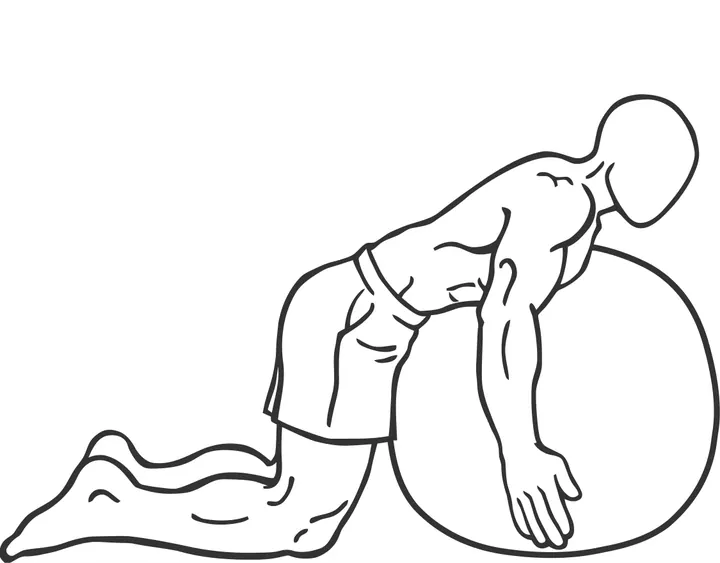
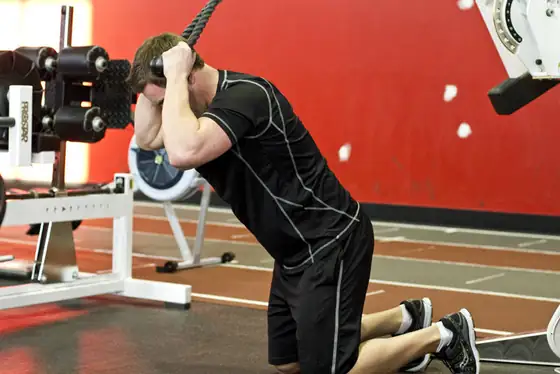
Kneeling Cable Crunch With Alternating Oblique Twists
Obliques, Abs
Builds the catch & pull (bottom arm) / push (top arm) phase · trains Obliques, Abs · trunk rotation pattern
93% match

Paddling
Seated, alternating double-blade stroke: trunk rotation delivers most of the power, with the pulling arm (lats) and pushing arm (chest, triceps) working at once.

Wind up the torso and plant the blade near the feet.
Best exercises for this phase:
Unwind the trunk; the bottom arm pulls (lats, biceps), the top arm pushes forward (chest, triceps). Legs press the footrest.
Best exercises for this phase:
Tall, stable sitting posture over the whole session.
Best exercises for this phase:
Obliques, Abs
Builds the catch & pull (bottom arm) / push (top arm) phase · trains Obliques, Abs · trunk rotation pattern
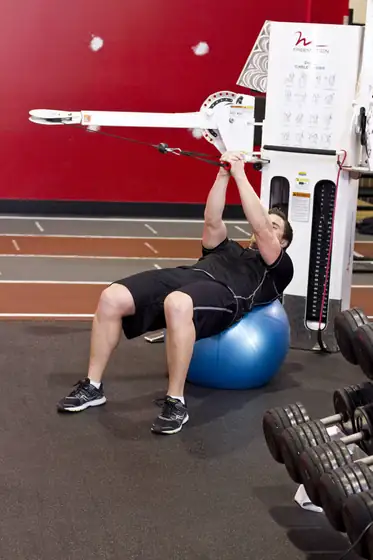
Obliques, Abs
Builds the catch & pull (bottom arm) / push (top arm) phase · trains Obliques, Abs · trunk rotation pattern
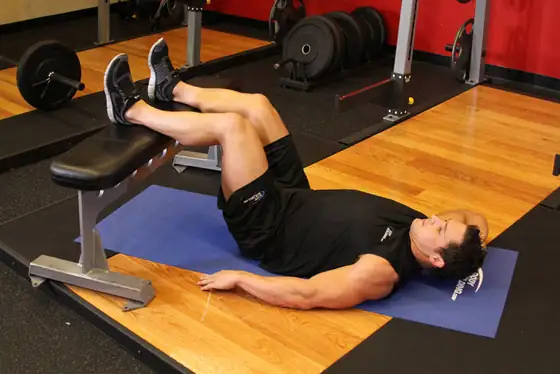
Obliques, Abs
Builds the catch & pull (bottom arm) / push (top arm) phase · trains Obliques, Abs · trunk rotation pattern
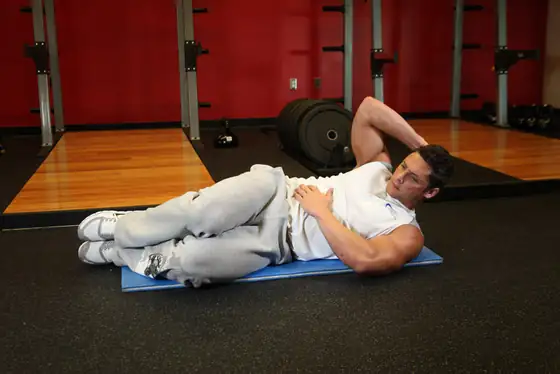
Obliques, Abs
Builds the catch & pull (bottom arm) / push (top arm) phase · trains Obliques, Abs · trunk rotation pattern
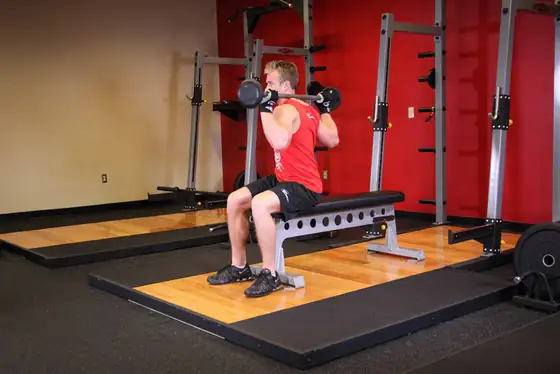
Obliques, Abs
Builds the catch & pull (bottom arm) / push (top arm) phase · trains Obliques, Abs · trunk rotation pattern
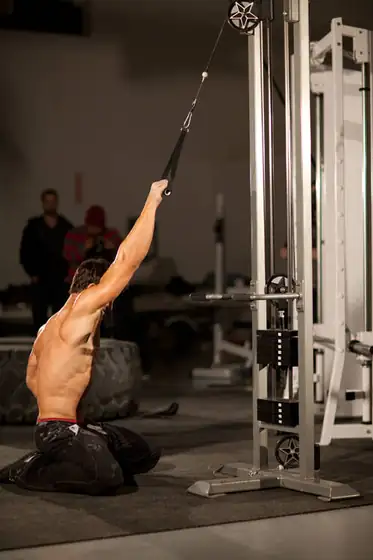
Lats
Builds the pull (bottom arm) / push (top arm) phase · trains Lats, Upper back, Forearms · row pattern
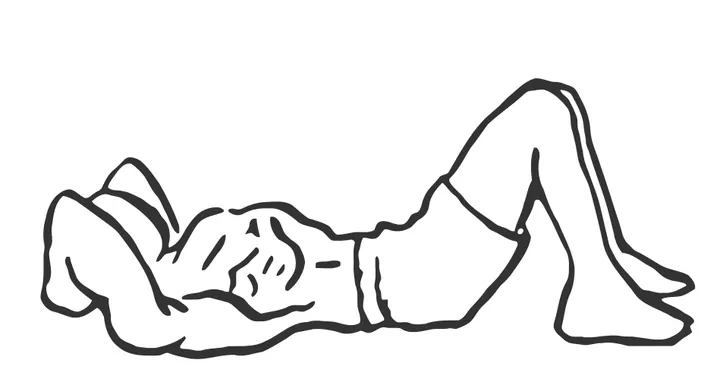
Obliques, Abs
Builds the catch & pull (bottom arm) / push (top arm) phase · trains Obliques, Abs · trunk rotation pattern
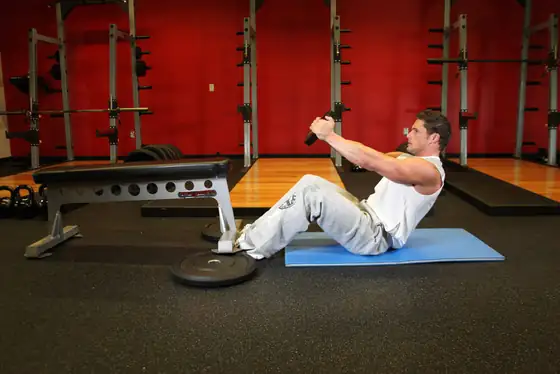
Obliques, Abs
Builds the catch & pull (bottom arm) / push (top arm) phase · trains Obliques, Abs, Lower back · trunk rotation pattern
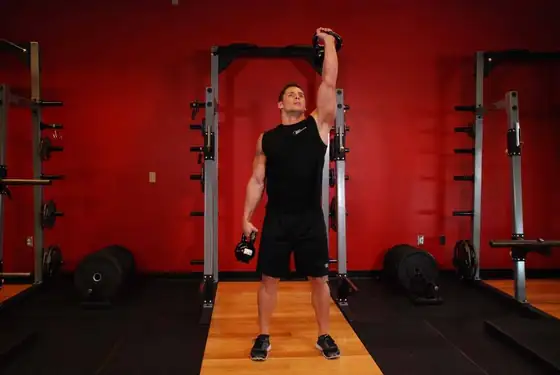
Abs, Obliques
Builds the catch & pull (bottom arm) / push (top arm) phase · trains Abs, Obliques, Triceps · trunk rotation pattern
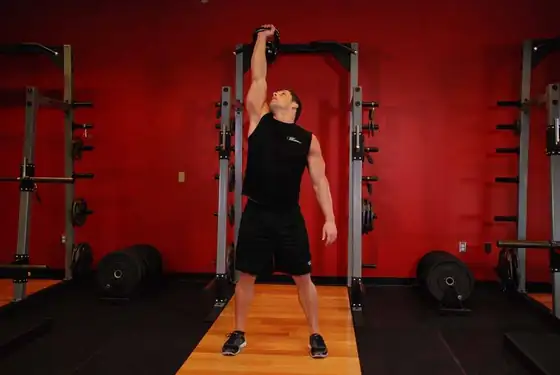
Abs, Obliques
Builds the catch & pull (bottom arm) / push (top arm) phase · trains Abs, Obliques, Triceps · trunk rotation pattern
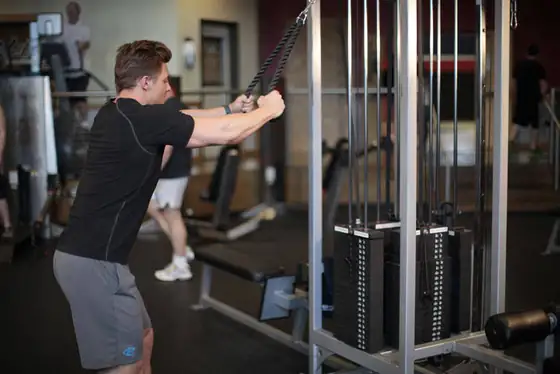
Lats
Builds the pull (bottom arm) / push (top arm) phase · trains Lats · straight-arm pull (shoulder extension) pattern
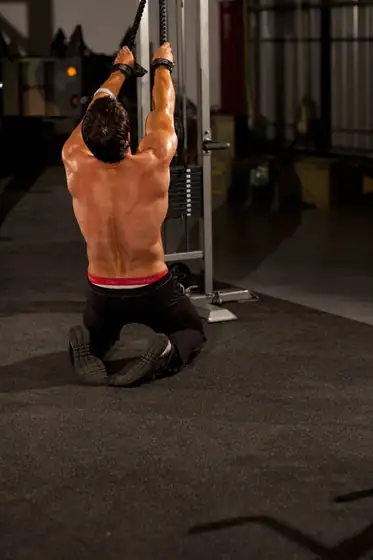
Lats
Builds the pull (bottom arm) / push (top arm) phase · trains Lats, Upper back, Forearms · row pattern
Work done in the water or on the run itself, next to the strength exercises above.