Dryland training for butterfly swimmers
When butterfly breaks down under fatigue, it breaks in this order: you breathe late, your hips sink, then your arms drag low through recovery and do not clear the water. For the gym, use and a pullover (pull), or for the lift for the breath, a kettlebell swing for the kick, and some rotator cuff work for the shoulders. Start with two short gym sessions a week, after swimming.
Where the breath fits
When you tire in fly, recovery goes first. Commonly around 75 yards into a 100, getting your arms round is the hardest part, so the breath comes late, the hips drop, and the chest climbs too high to get air. Breathing becomes laboured.
Each fly breath includes a small back extension: your chest and head lift forward, then drop back in on every breathing stroke. In the gym, use holds for the back, , and the top of a . A bird dog starts on all fours, with one arm and the opposite leg reaching out long as the spine stays still.
The wave should start at your chest. Starting it from the lower back creates a hard arch on every stroke, which the app lists as a mistake. Press your chest down and let the wave travel from chest to hips. A stiff upper back pushes the undulation down into your lower back.
The exercises that matter most
Tap an exercise name to see it with pictures and steps.
For the pull:
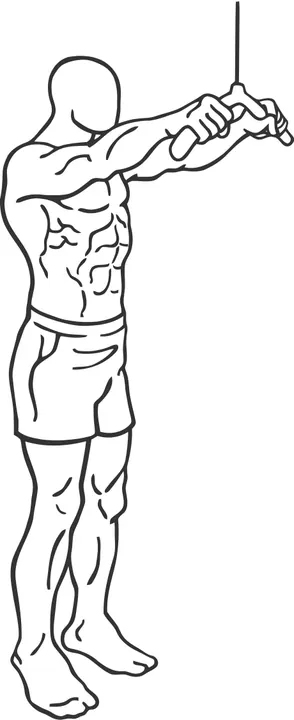
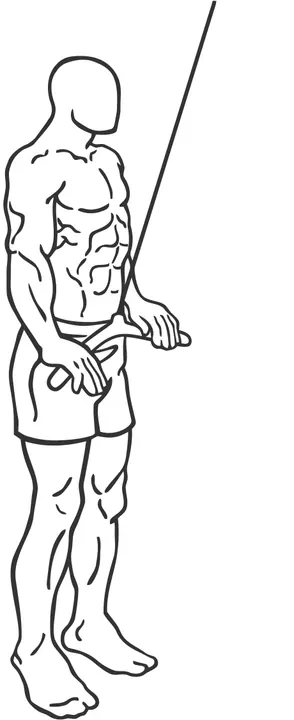
- Use a cable with your arms straight, and bring the bar from head height down to your thighs. It copies the path from the catch to the pull, so learn it first. Keep your arms straight and do not lean.
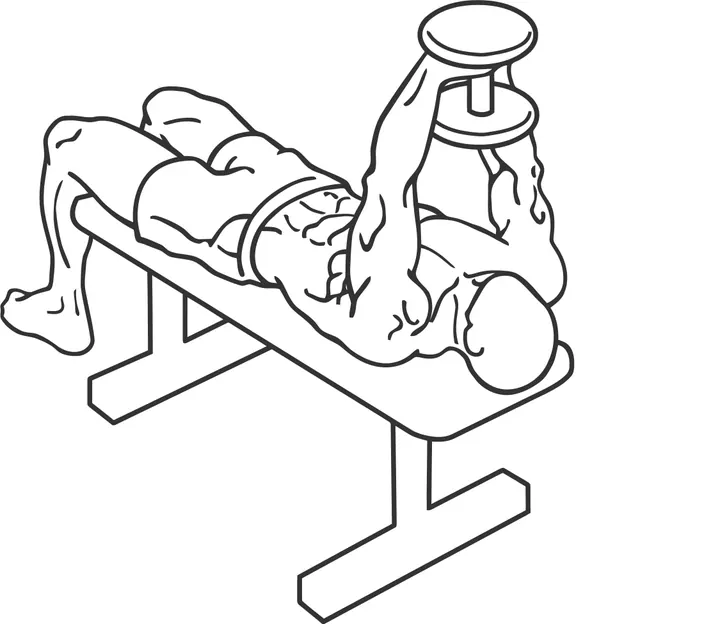
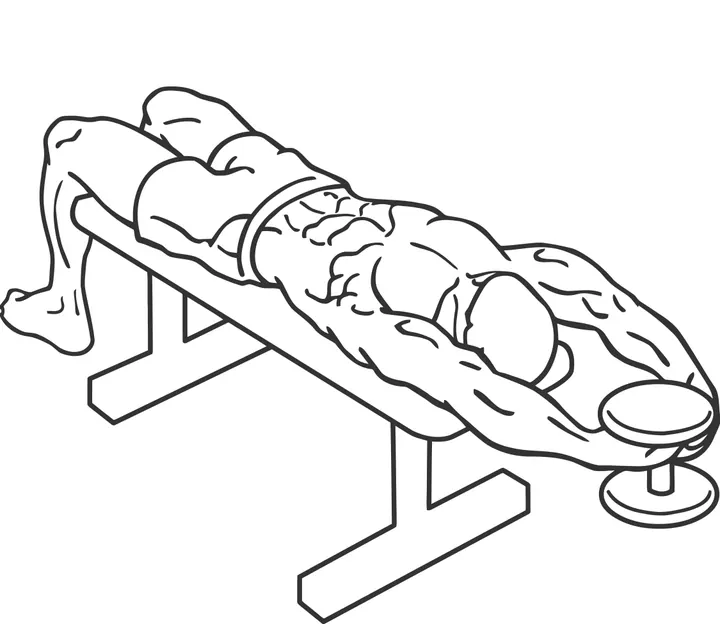
- Lie on a bench and lower one dumbbell behind your head, then bring it back over your chest. Stop when your arms are in line with your body; forcing the stretch does not help swimmers.
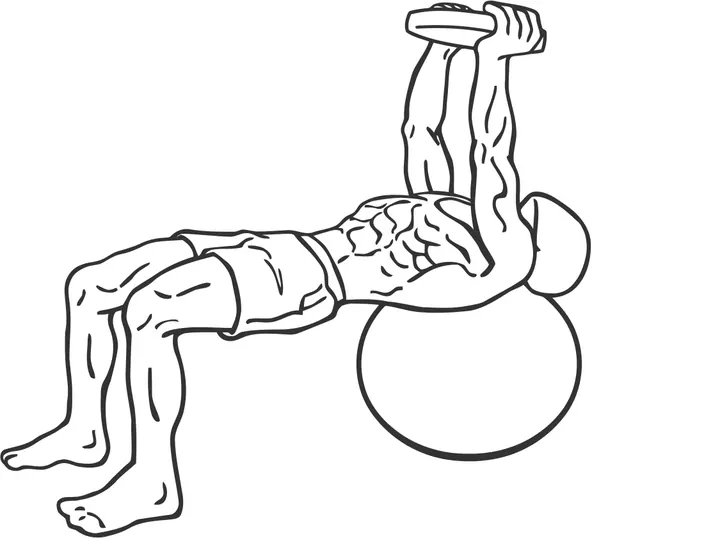
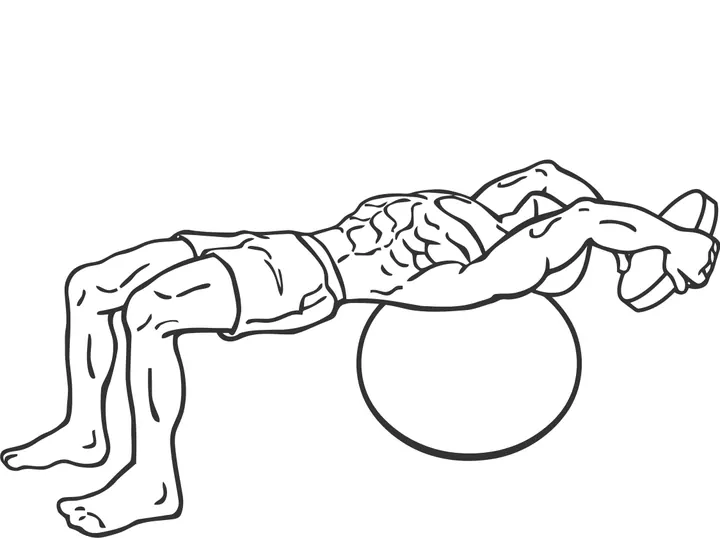
- Place your upper back on a ball, lift your hips, and lower one dumbbell behind your head before bringing it back over your chest. Your middle must hold still as your arms work overhead.
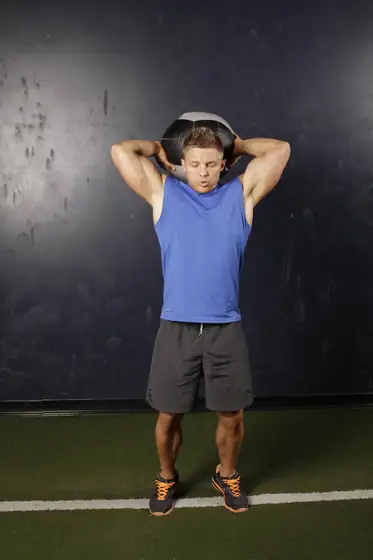
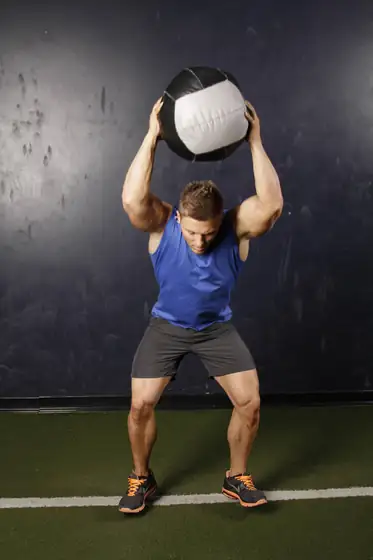
- Hold a medicine ball overhead and throw it into the floor as hard as possible. Practice putting force in fast.
For the breath and the wave:
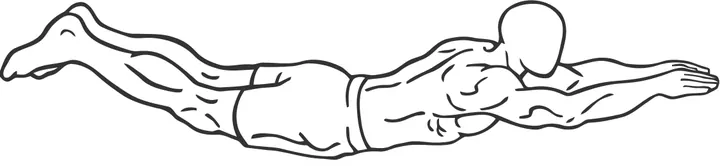
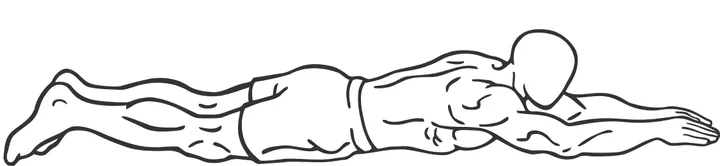
- Lie face down, lift your arms and legs off the floor, and hold.
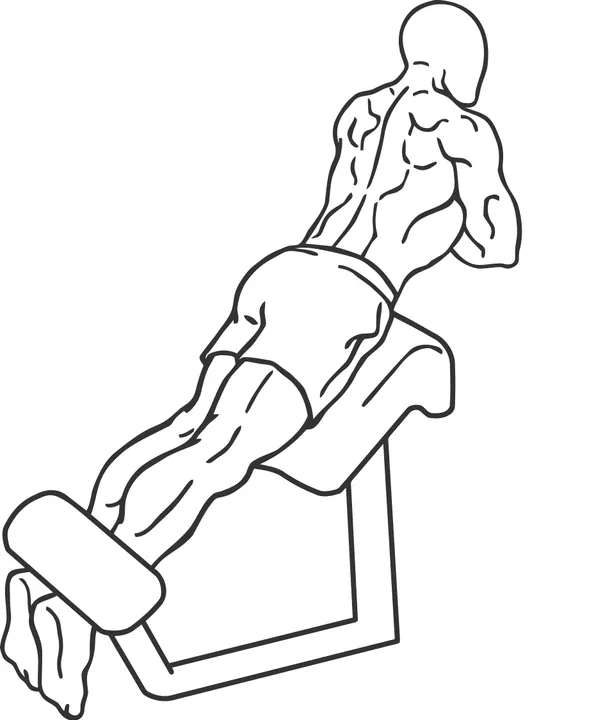
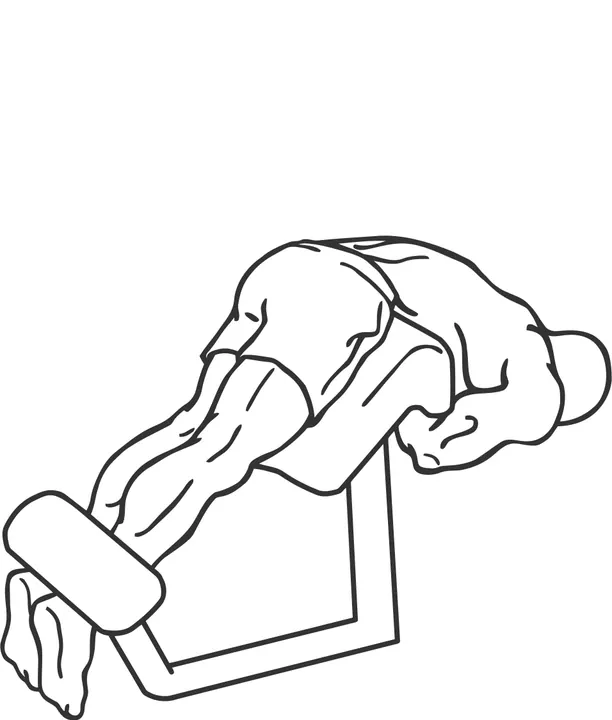
- Use a bench for back extensions. Lower your upper body, lift your back to a straight line, and hold at the top.
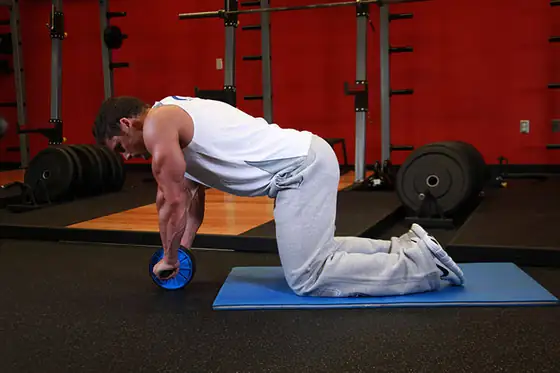
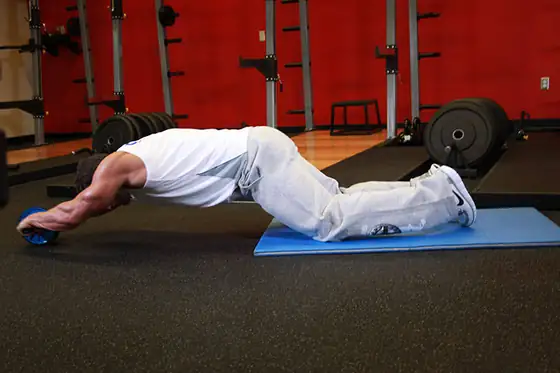
- Start from your knees, roll the wheel out in front, and pull it back. Keep your arms reaching forward and your middle solid; return with your abs, and shorten the roll if your lower back takes over.
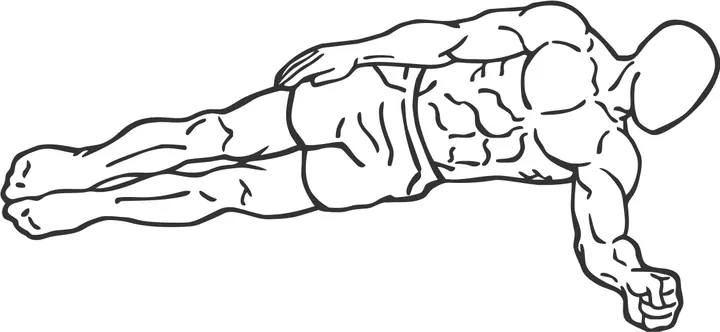
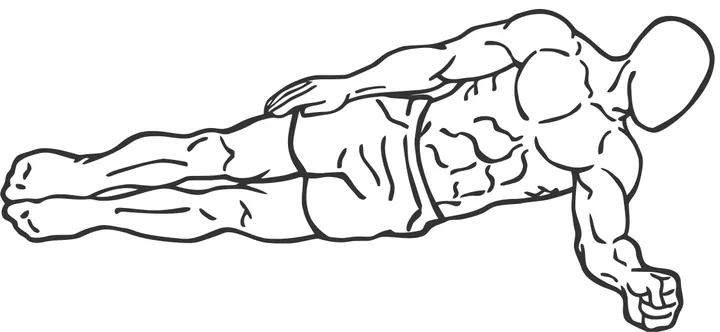
- Support yourself on one forearm, keep your body in a straight line, and hold for time.
For the kick:
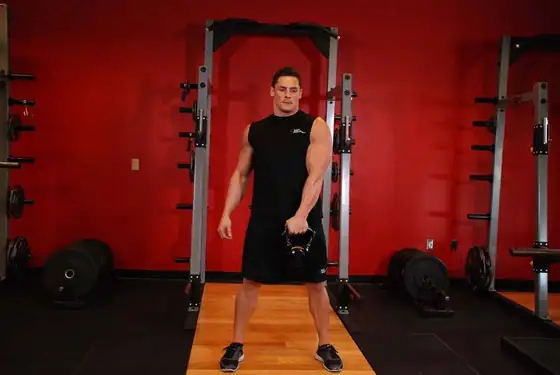
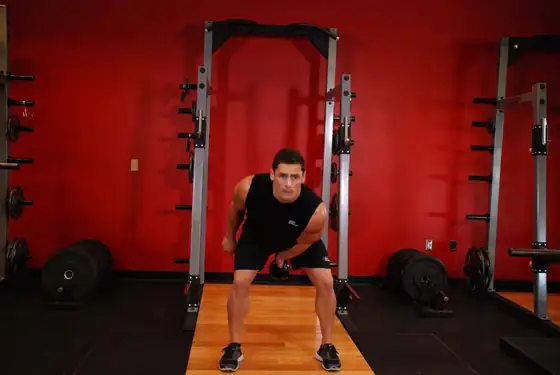
- Bring the bell from between your legs to chest height by snapping your hips forward. Use hip drive like the dolphin kick; your hips work, and your arm only hangs on.
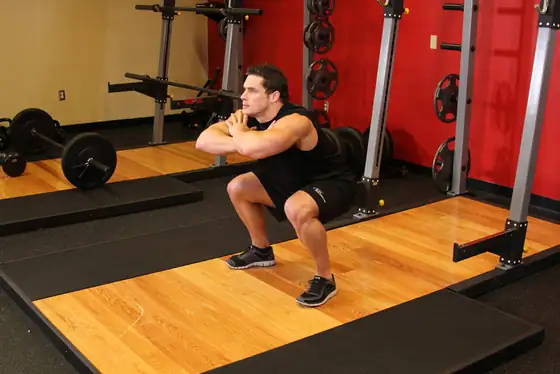
- Squat and jump as high as possible. Use the hip and ankle snap of a start, a turn, and an underwater kick; end the set when the jumps slow.
For the shoulders:
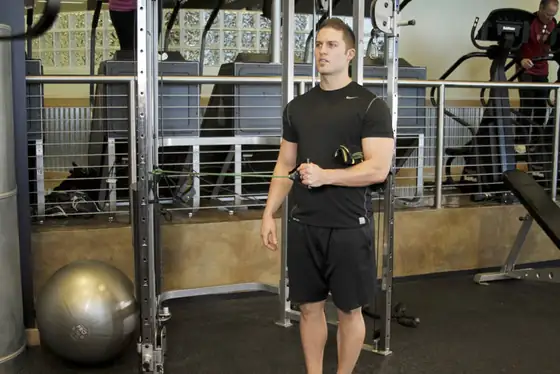
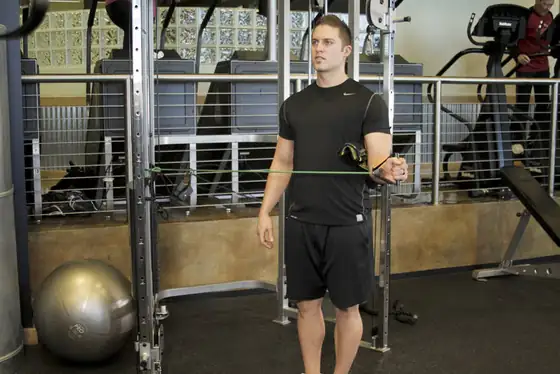
- Keep your elbow at your side and turn your forearm out against a light band. The fly is hard on your shoulders, so pair every pulling session with some of this.
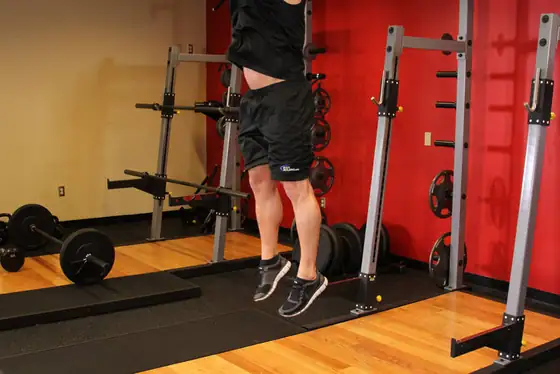
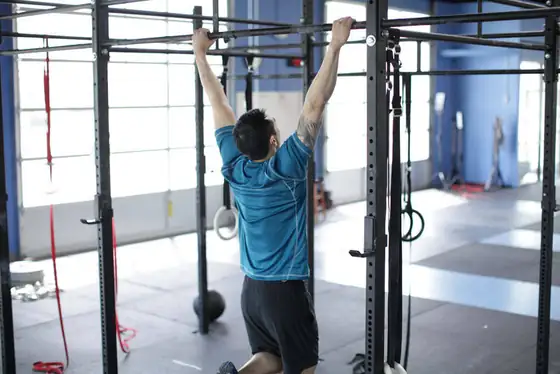
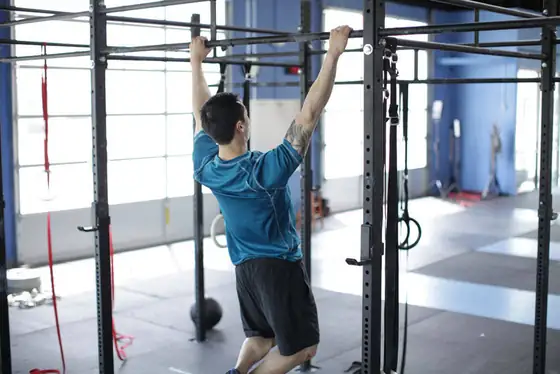
- Hang from a bar with your arms straight and draw your shoulders down away from your ears. Holding the top is an "active hang."
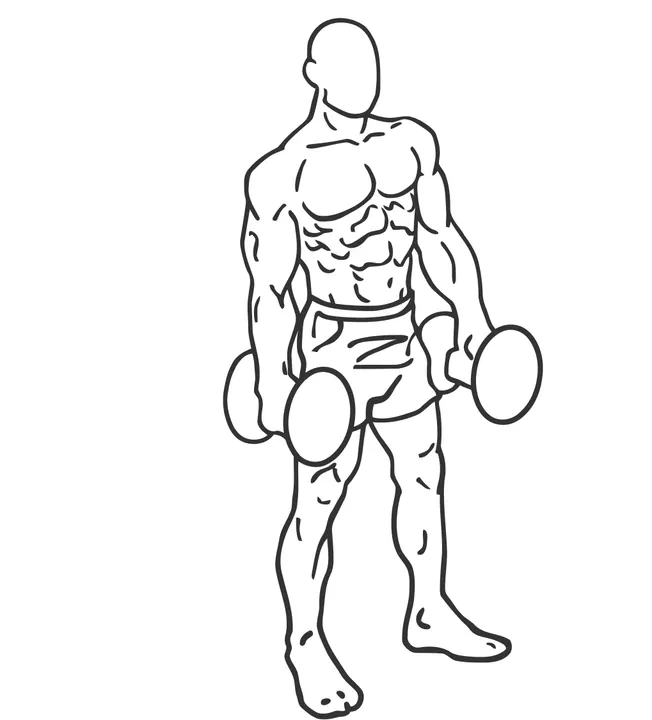
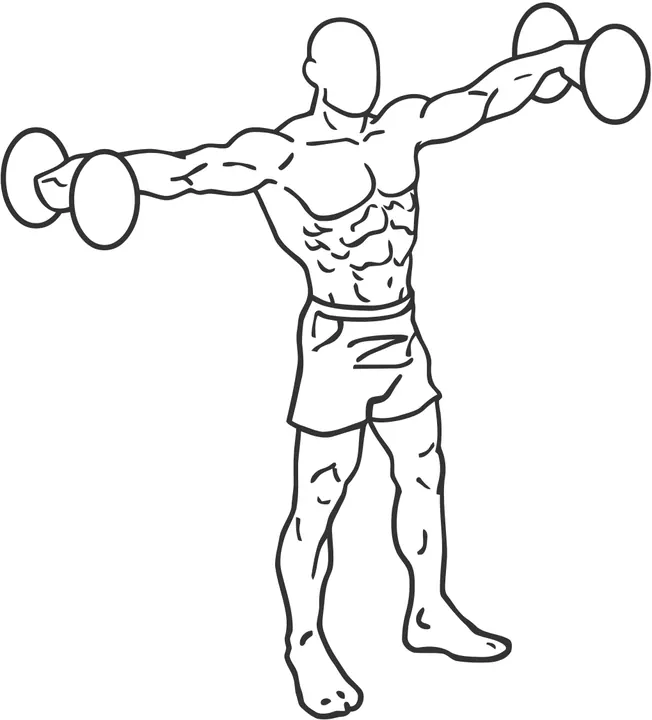
- Raise light dumbbells out to the sides. It uses the same muscles for lifting the arms through the recovery.
A simple butterfly session
Use this order: explosive work first, then the pull, then back and shoulders.
- or : a few quick sets, stopping when they slow.
- : 3 sets of 8–10, with 90 s rest.
- A pullover: 3 sets of 12.
- , each side.
- or holds, then : 3 x 45 s each side.
- : 2 sets of 10 slow reps.
Learn each exercise with bodyweight or light weight first. Lift fast and lower under control. On a heavy pool week, do only the first 2 to 4 and keep the whole session to 20 to 30 minutes. The app builds a plan around butterfly and shows how it breaks the stroke down.
Fitting it around your swimming
Swim first and lift after, or lift on another day. On the same day, swimming first keeps the stroke fresh. Put the gym after easier swims or on a day off, not in the hours before a hard fly or race-pace set.
Start with two sessions a week. Do band shoulder work after practice. Tiring the small shoulder muscles right before a swim is the wrong way round.
Before a swim, light band fly-pull is allowed: a few slow reps, with the band from overhead down to hips, both arms, right before a butterfly drill. It is a warm-up for the pull. As pool training grows, gym shrinks.
What to leave out
Some gym work only adds tiredness, so skip:
- Bench dips and band bent-over rows, which load the front of the shoulder.
- Kipping pull-ups, where the swing does the work.
- V-ups and leg lifts, where the hip flexors take over.
- Long, deep shoulder stretches when your shoulders are already loose.
- Bodybuilding splits, CrossFit-style circuits, and burpees.
- Long, high-volume gym sessions on top of big pool weeks.
Where the gym stops
The gym part is a starting point. Your stroke, timing, and breathing are built in the pool, and butterfly technique sets the limit for what conditioning can do. Pain is a physio's question.
Questions swimmers ask
Will lifting make me bulky on butterfly?
Sessions like these will not make you bulky on butterfly. A few sets of pulldowns, pullovers, and swings twice a week are far from a bodybuilder's week.
Should I lift before or after swimming?
Lift after swimming, or on another day. Swimming first keeps your stroke fresh, and you can do band shoulder work after practice too.
How often should a butterfly swimmer lift?
Start with twice a week. Add jumps on one or two of those days, and cut the gym back if the pool gets heavier.
Is dry-land even worth it for butterfly?
Some swim coaches doubt dry-land work and would rather spend the time in the pool. If you lift, keep it short and do it after the swim, since butterfly itself is built in the water.
Your first week
After two easier swims this week, do , a pullover, , and , all light. Then notice how the next butterfly set feels on the last length.